
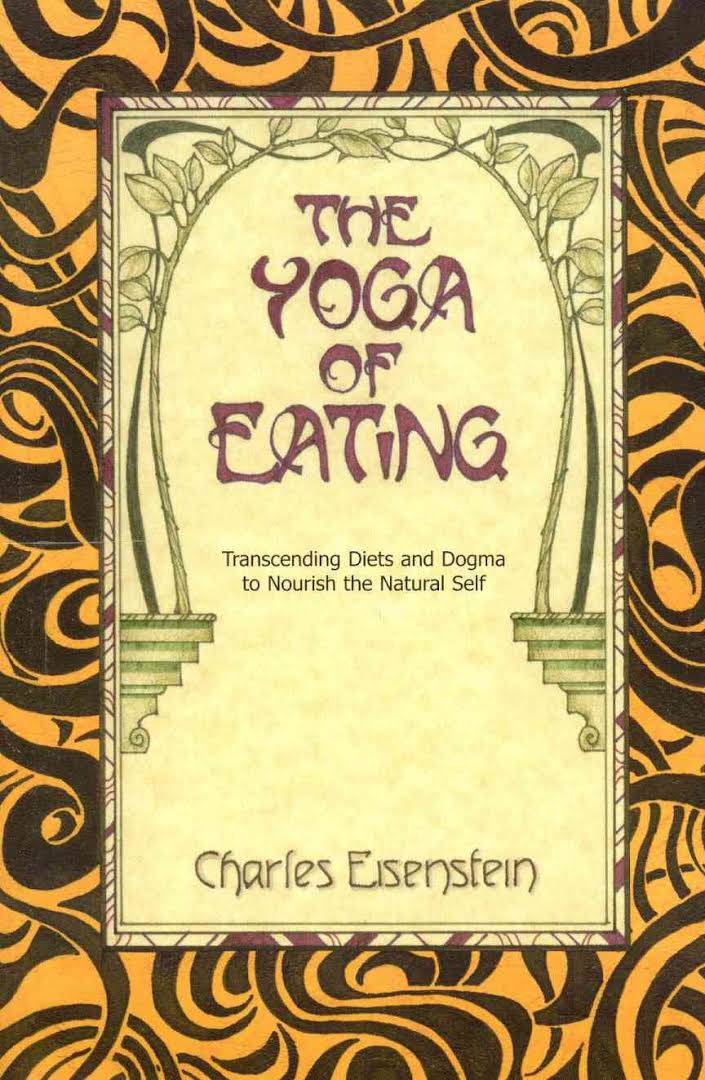
Doesn’t that title just roll off the tongue? It seems to explain so much about the essence of the book in just 2 words, or I guess 4 if you are picky about it. I was drawn to this book precisely because of the idea the title painted in my head. Yoga suggests a release of tensions, increased flexibility, creativity, and sexy bodies in studio (in a genuinely appreciative/not objectifying way!). Applied to eating, I imagine a masterfully prepared mix of macro and micro nutrients taking various forms that are each unique in their taste and potential uses. Fruits, nuts, vegetables, meats, grains… All ideas we are familiar with but don’t usually see as creative and enjoyable ways to heal the body.
With that in mind, this book does not seek to dogmatically preach some “ultimate diet” that is one size fits all. I’m sure some of you (like me) have tried to sift through the abundance of “scientifically proven” facts about which foods are healthy and why. Despite my efforts, I’m still unsure about whether eggs raise cholesterol or if soy is bad for me. Even the most basic and accepted food ideologies such as the importance of drinking milk start to break down under scrutiny. This book acknowledges the limitations of conventional knowledge and looks somewhere else for the answers: the body itself.
“In natural food, flavors are markers, inseparable from its entire chemistry, by which the body understands that food.”
This quote seems to suggest that our senses of taste and smell, the ones that have evolved over millennia to serve very specific purposes, actually work for practical reasons. What? That’s just too reasonable to be true. But, of course, we don’t think of food in this way because we have attached a myriad of other meanings to eating. We instead eat for pleasure, distraction, status, solace, or to merely end the physical annoyance of hunger. It’s definitely not seen as a means to healing.
Actually, on the opposite end of the spectrum, it can be seen as a vice. The urge to eat fatty and sugary foods must be resisted to obtain a better body. Genuinely wanting to eat healthier foods seems so far fetched because of the immediate desire for excess flavor and quantity. Being able to actualize the teachings in this book requires a deeper inquiry into whether your body has a genuine appetite or if it is a psychological craving.
To figure out the difference, Eisenstein teaches one central practice that is both simple and practical: to fully experience and enjoy each bite of food. Of course you can’t trick yourself into enjoying vegetables, but by fully experiencing the food you are eating you eventually won’t have to. That’s the difference between this practice and dieting; you will actually want to do it when you get into it. Here are some steps you can try out to get started:
- Slow down your eating by chewing your food thoroughly and swallowing before taking the next bite
- Notice the subtle flavors, smells, textures, and feelings your body gets as you chew and swallow. How do the flavors change with thorough chewing?
- Eat in silence without any distractions to focus your attention: no TV, phone, music, or talking.
- Pay attention to how your body reacts in the hours after you finish eating: do you have more or less energy? Is your awareness sharp or dull? Do you feel good?
“As I observed earlier, when you taste and chew attentively you discover new flavors, some delightful, others distasteful. You might discover that some foods you like really don’t taste so good after all. This is the beginning of the discovery of your body’s messages to you about food. All that remains is to trust these messages.”
Of course you don’t have to do this at every meal and it’s not recommended. The key is to be able to access the subtle messages your senses are sending and respond accordingly. With the overabundance of flavors and chemicals currently in food, our palates have become spoiled and lazy. By experimenting with the practices, I have found that I naturally desire less food and simpler food. Maybe it will work for you too!
 wonderwithin.me
Leave a comment